
The Evolution of Wearable Technology
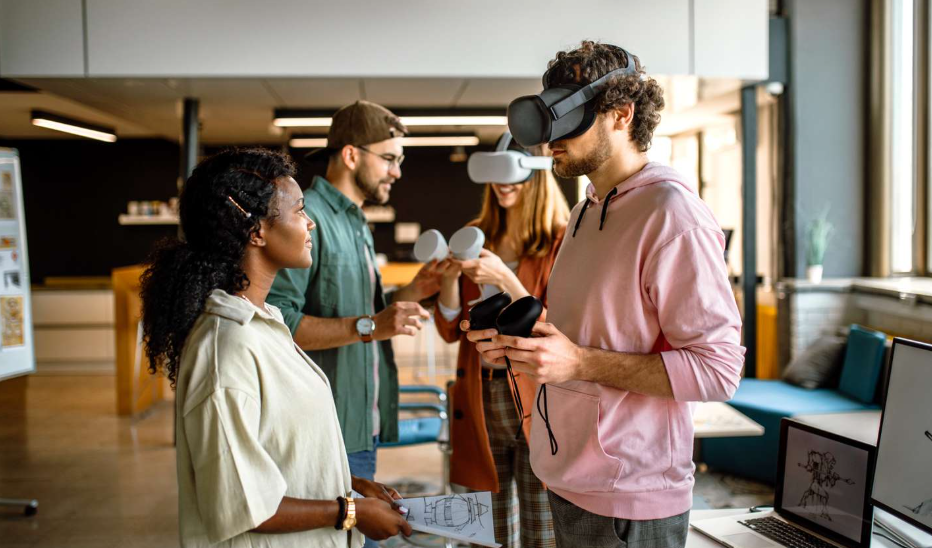
Wearable technology has developed from simple digital accessories into sophisticated devices capable of collecting and presenting a wide range of information. Smartwatches, fitness trackers, wireless earbuds, and other wearable products have become increasingly common in modern life.
One reason for the popularity of wearable devices is convenience. A smartwatch can display notifications, messages, calendars, timers, and other information without requiring a user to constantly reach for a smartphone. This makes small digital interactions faster and more accessible.
Fitness tracking is another major application. Many wearable devices can record information such as steps, movement, exercise sessions, and sleep patterns. This data can help users understand their routines and identify changes over time. However, measurements from consumer devices should not automatically be treated as medical diagnoses.
See also: Afextop com || afextop
Wearables are also becoming more closely connected to smartphones and other digital services. Information collected by a wearable can often be synchronized with an application, allowing users to review trends and customize settings. This creates a more continuous digital experience.
The design of wearable technology presents unique challenges. Unlike traditional computers, wearables must remain lightweight, comfortable, energy-efficient, and durable. Battery life is particularly important because users may expect a device to operate throughout the day.
Privacy is another important issue. Wearable devices can collect personal information, including location-related data, activity patterns, and other behavioral information. Users should understand what information their devices collect and how that information is stored or shared.
The future of wearable technology may involve more advanced sensors, improved battery systems, and greater integration with artificial intelligence. Devices may become better at interpreting patterns and providing useful information without requiring constant interaction.
However, successful wearable technology should not simply collect more data. The quality and usefulness of the information matter just as much. Clear interfaces and meaningful insights can make technology more helpful than overwhelming.
Wearables represent an interesting development because they place computing directly into everyday activities. Instead of interacting with technology only through a desktop or smartphone, people can now carry digital tools on their wrists, in their ears, or within other personal accessories.
As hardware and software continue to improve, wearable technology is likely to remain an important part of the consumer technology industry. Its development will depend not only on technical innovation but also on privacy, comfort, usability, and responsible data practices.
One Comment