How Long Does It Take to Recover After Dental Implant Surgery?
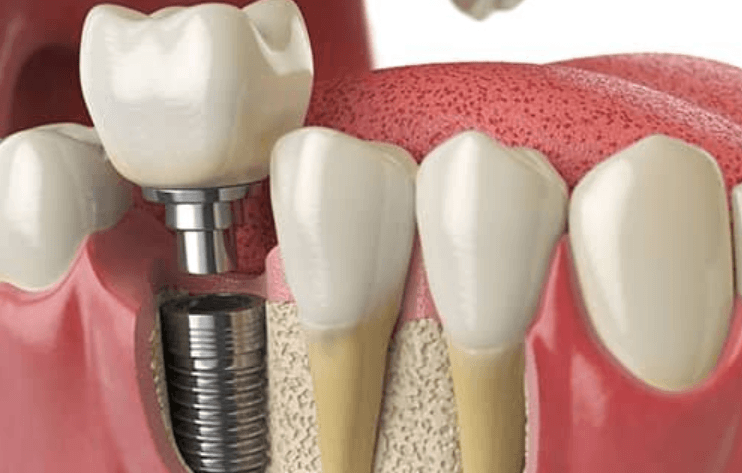
There are different phases that you have to go through when you are recovering from dental implant surgery. You have to ensure the titanium post safely and permanently fuses with your jawbone. If you are considering or preparing for a tooth restoration with dental implants then you need to understand the timeline so you can plan your schedule according to that manage expectations, and also ensure you have a really smooth healing experience.
Below, we are going to give you a detailed guide. You will know what to expect during every single stage of recovery. This way, you will be well informed before you take any step.
The Immediate Aftermath (Days 1 to 7)
The first week after your surgery is extremely critical. You have to manage acute symptoms and also allow the soft tissue to begin healing.
There is minor bleeding and swelling around the mouth and cheeks in the first few hours. You may also feel mild to moderate discomfort, which is completely normal once the anesthesia completely wears off. Your dentist is going to provide you with gauze that you can bite on initially to control the bleeding.
There are also pain relievers that are going to help you manage discomfort. Applying an ice pack to the outside of your face is going to reduce the swelling.
You have to stick to soft foods and ensure you are drinking a lot of water. You should also keep your mouth clean, but be extremely gentle. Over the site of surgery for the first few days, you must also avoid brushing directly. At least one day after your surgery you should use warm water and rinse after meals.
See also: How Healthy Breathing Habits Support Daily Comfort
Soft Tissue Healing (Weeks 2 to 4)
In the second week, the pain and visible swelling almost always subside.
The outer gum tissue that is surrounding the implant site is going to heal significantly in this phase. Your dentist is going to remove your non-dissolving stitches after 7 to 10 days.
Most of the patients feel extremely well to return to their work in just 2 to 3 days. But at the same time, it is important to remember that for at least a week you must avoid heavy lifting, vigorous exercise, and harsh physical activity. This is to prevent elevated blood pressure from causing bleeding.
Your gums may feel like they have gone back to normal on the outside. You should not be fooled because the bone right beneath the surface is still in the early stages of healing.
The Core Healing Period (Months 2 to 6)
One of the most vital phases of tooth restoration with dental implants happens beneath the gums.
There is a process occurring, which is called osseointegration. This is where bone cells grow and attach directly to the surface of the titanium implant post directly. This turns the artificial root into a permanent anchor for the future replacement tooth.
This phase can take anywhere between 3 to 6 months, the exact duration depends on different factors which include the bone density and overall health of the patient. The upper jaw is softer than the lower one which means the upper implants can sometimes take more time than the lower ones to integrate fully. If you do not have any severe conditions like diabetes, and you are a non-smoker, then the healing can be quicker.
Abutment Placement and Final Restoration (Months +6)
Once the process of osseointegration is complete, confirmed through clinical check ups or imaging. You are completely ready for the final step of your tooth restoration with dental implants.
There is a really small connector piece that is attached to the implant post which extends above your gum line. Placing it requires a really minor procedure and a really small healing period for the surrounding gum tissue to shape around it nicely.
Finally, the impressions and scans are taken of your mouth to craft a ceramic crown or a custom porcelain. This is designed to blend with your natural teeth seamlessly. Once they are secured onto the abutment, your teeth restoration process is complete.
Factors That Can Influence Your Recovery Time
The timeline can be different from person to person depending on different situations. There are a few variables that you should keep in mind.
- Firstly, replacing a single tooth needs minimal trauma, but recovering from multiple implants can take a lot more time.
- Besides that, if you smoke or use tobacco, it can reduce the blood flow to the jawbone. Smokers have a high chance of implant failure, and also prolonged recovery times.
- Lastly, it is important to maintain hygiene habits, because if you do not pay attention to your oral hygiene, there are chances that the implant does not work as perfectly as it should.
Long-Term Outlook
The recovery definitely asks for a lot of patience. But you should know that the long-term reward is huge. The dental implants work exactly like your natural tooth root. They completely preserve the jawbone structure. When you follow the instructions stated by your surgical team, you definitely get to have a confident smile for a lifetime.