Staying Warm While Birdwatching and Wildlife Photography
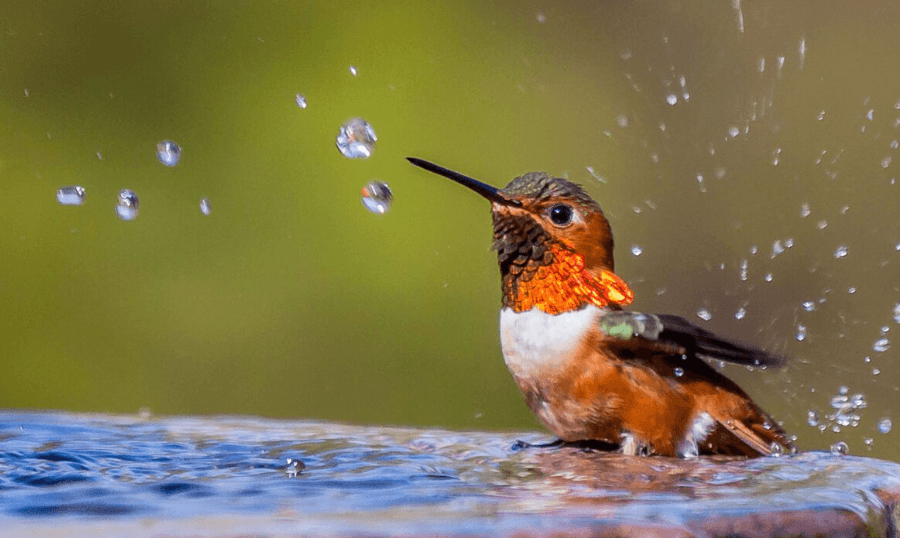
Birdwatchers and wildlife photographers share a defining skill: patience. You sit in a hide, crouch by a reed bed, or stand at a field edge for an hour waiting for something to appear. That stillness is the whole point, and it is also why cold sneaks up so quickly. Your body is barely generating any heat, and the best light and the most active wildlife tend to arrive at dawn, when it is coldest.
This guide explains how to dress for long, quiet, cold outings, and how clubs and reserve teams can plan clothing for members and volunteers.
Why Stillness Changes Everything
A hiker generates heat constantly. A photographer waiting for a kingfisher does not. Clothing that feels perfect during the walk in can leave you shivering within fifteen minutes of settling down.
That means the usual advice about layering needs an adjustment. You are dressing for two different states: moving to your spot, and then staying put. The answer is to carry what you need for the second state and avoid overheating during the first.
Choose Quiet, Low-Visibility Fabrics
Wildlife notices noise and color. Stiff, rustling fabrics and bright colors can disturb the animals you came to see. When choosing layers, test them for sound: sit, shift, and move your arms near your ear. Muted greens, browns, and greys blend into most landscapes.
Fit matters for photographers too. Sleeves that ride up or bulky shoulders can interfere with holding a long lens steady, so try garments with your equipment before you commit.
See also: The Lifestyle Benefits of Spending More Time Outdoors
Build Your Layers
The Base Layer
Start with something soft and breathable against the skin. Avoid anything that holds sweat, because the walk to a hide can leave you damp. Pack a spare if you plan a long day.
The Soft Middle Layer
This is the layer you will adjust most. Fleece Jackets are a familiar choice because the fabric tends to be quiet, soft, and comfortable to wear under a heavier outer layer or alone on mild mornings. Check the weight and fit before you buy, and try it with a camera strap or binocular harness so nothing bunches or digs in.
The Insulated Outer Layer
When you stop moving, a proper insulated outer layer makes the difference between enjoying the wait and counting the minutes. Clubs and nature reserves that outfit volunteers or guides sometimes compare a wholesale insulated jacket option, since a matching, consistent layer helps volunteers be recognized by visitors and simplifies replacement. For personal purchases, look carefully at the product information on materials and care, and avoid assuming a garment will suit very wet or extreme conditions unless the maker says so.
Keep Extremities Warm Without Losing Dexterity
Hands are the hardest part. You need to operate a camera or focus binoculars, and bare fingers get painfully cold in minutes.
- Thin liner gloves for operating controls, with warmer mitts to wear over them while waiting.
- A warm hat that covers the ears and does not interfere with an eyecup or viewfinder.
- A neck gaiter that can be pulled up over the chin without making noise.
- Warm socks and insulated boots, because cold feet are the usual reason people leave early.
Hand warmers tucked into pockets can also help, but check the instructions and avoid placing them directly against skin.
Sit Smart
Many people forget how much heat they lose to the ground. A small foam pad or folding seat creates a barrier that makes a noticeable difference during a long wait. A waterproof groundsheet keeps damp out of your clothing when you kneel at the water’s edge.
Pack for the Wait
A small bag of comfort items improves a long session.
- A flask of something hot.
- High-energy snacks that are quiet to unwrap.
- A spare layer you can add without making noise.
- A small towel or cloth for wiping lenses and hands.
Eating and drinking help your body maintain temperature, so do not skip them.
Think About Safety and Courtesy
Tell someone where you are going and when you expect to return, particularly for dawn outings in remote places. Check the forecast and tide times, and follow site rules and wildlife guidance, including keeping a respectful distance from nesting birds. Comfort should never come at the expense of the animals’ welfare.
For Clubs and Reserve Teams
Groups that run guided walks or staff a visitor centre can make life easier with a simple clothing plan. A recognizable outer layer helps visitors find volunteers, a loan stock of warm layers helps people who arrive underdressed, and clear advance advice about the weather prevents a lot of shivering. Ask members what they would actually wear before you order anything.
Final Thoughts
Cold during a long watch is mostly a stillness problem. Dress for the moment you stop, choose quiet fabrics that suit your equipment, protect your hands and feet, and bring a little comfort for the wait. A warm observer is a patient observer, and patience is what gets the shot.